
Import from DR Congo: Buying Congolese Coffee, Cocoa, Copper, Cobalt & Timber Safely
Kivu coffee, fine-flavour cocoa, Katanga copper and cobalt, 3T minerals and Congo Basin hardwoods — and how to move them safely to your port.
Read guide →
🇨🇩 Regional sourcing · DR Congo → the world
The Democratic Republic of the Congo holds some of Africa's richest agricultural land and mineral deposits — Kivu Arabica coffee, fine-flavour cocoa, copper and cobalt from the Katanga copper belt, tin, tantalum and tungsten from the east, and tropical hardwoods from the Congo Basin.

Buying from the DRC can be difficult for overseas importers: long overland routes, many border crossings, varied regulation and, for minerals, strict conflict-minerals due diligence. We act as your sourcing and logistics partner in the region — identifying licensed exporters and cooperatives, arranging quality inspection, preparing documents and moving cargo through the Northern Corridor (Goma → Kampala/Kigali → Mombasa), the Central Corridor (→ Dar es Salaam) or the Southern routes from Katanga.
Goods remain of Congolese origin and are exported under DRC export documentation and certificates. Where Kenya is the best route, cargo travels in bonded transit to Mombasa, where we can inspect, re-weigh, consolidate and load it for shipment worldwide.
6 product categories with types, specifications and growing areas.

Coffee from the volcanic highlands around Lake Kivu is one of Africa's most exciting specialty origins.
Types: Kivu Washed Arabica · Natural Arabica · Congo Robusta
Cocoa production in the DRC has grown rapidly, particularly in North Kivu (Beni, Butembo), Ituri and the Équateur and Kongo Central provinces.
Types: Fermented Cocoa Beans · Organic Fine-Flavour Cocoa · Cocoa Grade 2 / Industrial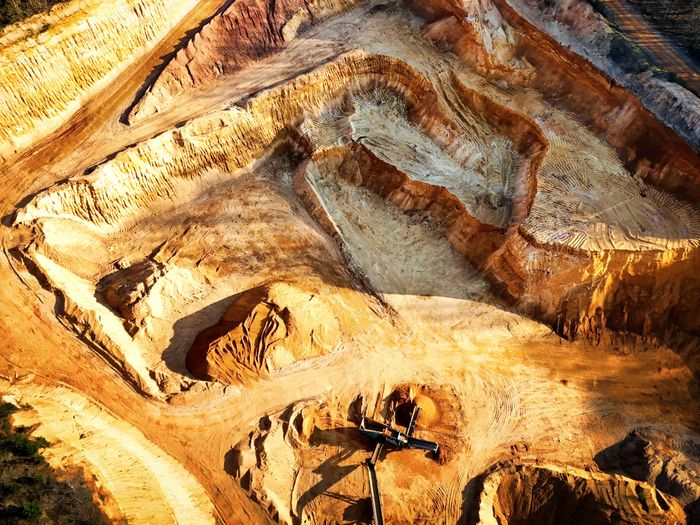
The Katanga Copperbelt (Haut-Katanga and Lualaba provinces, around Lubumbashi, Likasi and Kolwezi) is among the richest copper and cobalt regions on earth.
Types: Copper Cathodes · Copper Concentrate · Cobalt Hydroxide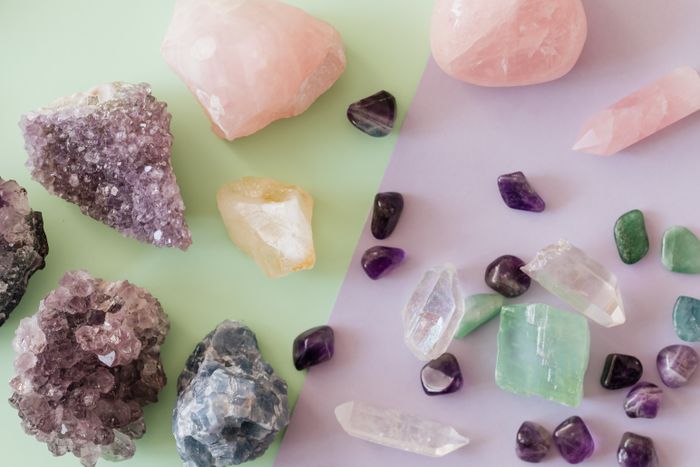
Eastern DRC (North and South Kivu, Maniema, Tanganyika and Haut-Lomami) produces cassiterite (tin ore), coltan (columbite-tantalite) and wolframite (tungsten ore), largely from artisanal and small-scale mines, plus artisanal and industrial gold.
Types: Cassiterite · Coltan · Wolframite · Gold
The Congo Basin rainforest produces some of the world's finest tropical hardwoods: sapele, sipo (utile), iroko, wenge, tola, padouk, afrormosia and more.
Types: Sapele · Sipo / Utile · Iroko · Wenge
The Kivu highlands are one of the world's few remaining commercial sources of cinchona — the tree whose bark yields quinine, used in pharmaceuticals and as the bitter flavour in tonic water and bitter drinks.
Types: Dried Cinchona Bark · Quinine SaltsTin, tantalum, tungsten and gold from eastern DRC are covered by the EU Conflict Minerals Regulation (EU 2017/821), US Dodd-Frank Section 1502 reporting and the OECD Due Diligence Guidance. We only work with licensed exporters using ITSCI or equivalent mine-to-export traceability, ICGLR certificates and third-party audited supply chains. Cobalt exports have been subject to DRC export suspension and quota measures since 2025; availability and quotas are confirmed at the time of contract.
Yes. Eastern DRC coffee and cocoa commonly move by road through Uganda or Rwanda to Mombasa in bonded transit. We arrange trucking, transit bonds, inspection in Mombasa and loading on your vessel.
No. Goods keep their DRC origin and are exported under DRC certificates. Kenya is only the transit and shipping point.
We only facilitate minerals from licensed exporters with ITSCI/ICGLR traceability, CEEC certificates and OECD-aligned due diligence. We do not handle untraceable artisanal material.
Tell us the product, variety, quantity, Incoterm (FOB / CIF / CFR / DAP) and your destination port or airport. We reply with a formal quotation, usually within one business day.